
Carlsbad Life Insurance That Starts With the Numbers
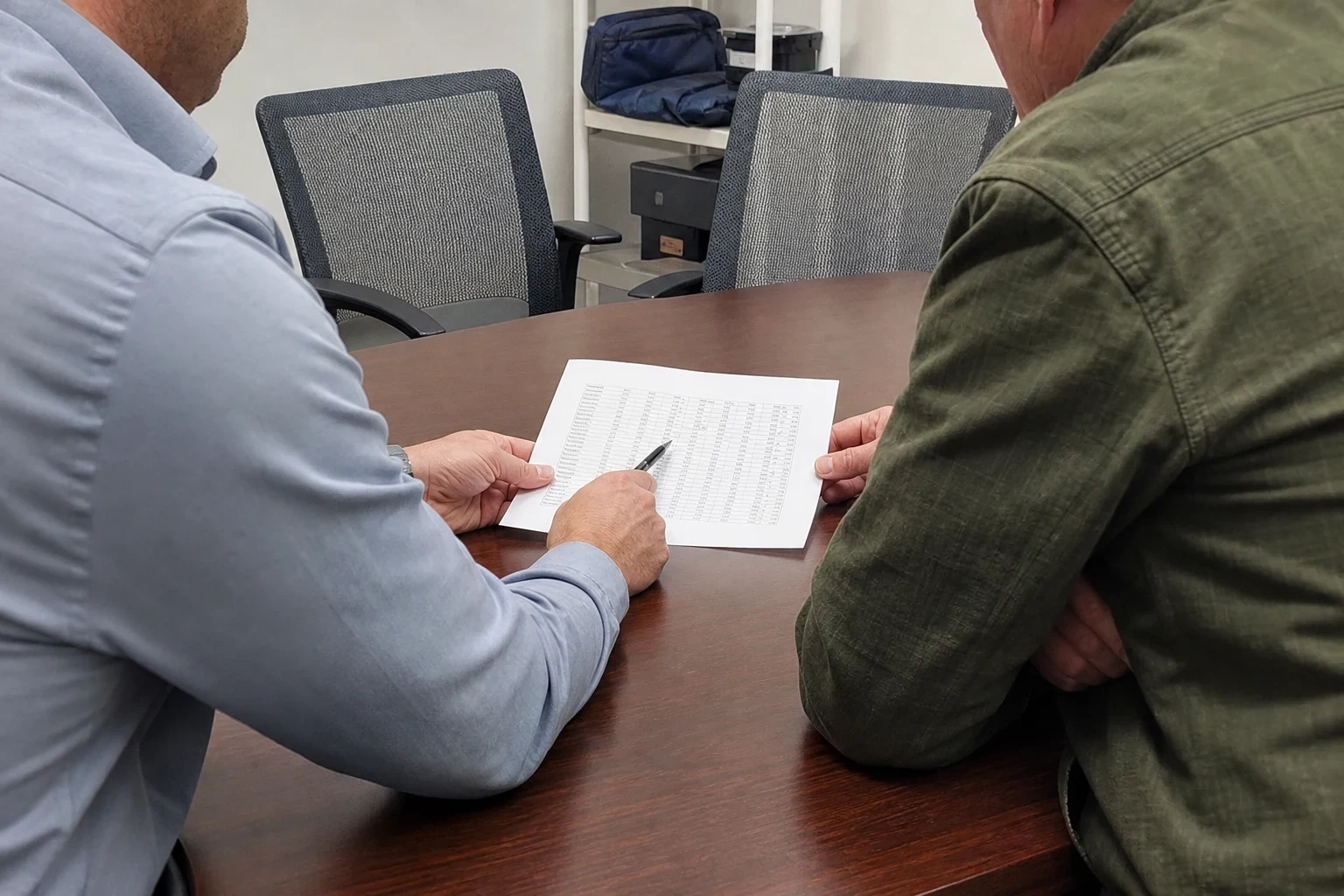
Before we suggest a policy, we look at what you earn, what you owe and what coverage you already carry. Then we explain which fits: term life, whole life, universal life, final expense or mortgage protection. We also handle retirement income planning for clients in Carlsbad, Oceanside and Vista.
- Needs review before quotes
- Findings explained in writing
- Existing policies checked
- No pressure to buy
Life Insurance and Income Planning We Handle
We write term life insurance for fixed-length needs like a mortgage or the years your kids are in school, and whole life insurance and universal life insurance when coverage needs to last and build cash value. Final expense insurance covers funeral and end-of-life costs with a smaller face amount and simpler underwriting. Mortgage protection insurance is sized to your loan balance and term, and retirement income planning looks at how your savings, Social Security and any policy cash value turn into monthly income.

Term Life Insurance
Level-premium coverage for a set number of years, with the face amount and term length worked out from your real obligations before any quote.
Whole Life Insurance
Permanent coverage with a fixed premium and cash value, recommended only after we review what you already own and what you need it to do.

Final Expense Insurance
Small whole life policies built to cover funeral costs, medical bills and final debts, chosen after we check your health answers and the coverage you already hold.

Universal Life Insurance
Permanent coverage with flexible premiums, set up after we test the illustration against lower interest rates and rising insurance charges.

Mortgage Protection
Coverage that can pay off or keep paying your mortgage if you die, sized after we check your loan balance, term and any life policy you already own.

Retirement Income Planning
We map your Social Security, pension, savings and existing policies into a monthly income picture, then show where the gaps are before suggesting anything.
Where Our Clients Live and Work
Most of our clients are in Carlsbad, and many others reach us from Oceanside, Vista, San Marcos, Encinitas, Solana Beach, Escondido and Rancho Santa Fe. Service members and families at Camp Pendleton often want to know how a private policy sits next to military group life, and we look at that coverage the same way we look at any policy you already own.
- Carlsbad
- Vista
- Encinitas
- Lake San Marcos
- Oceanside
- San Marcos
- Camp Pendleton South
- Solana Beach
- Rancho Santa Fe
- Escondido
- Camp Pendleton Mainside
Because reviews happen by phone, distance is rarely a factor. If you live in California and are unsure whether we can help, ask on your first call.

Why Clients Start With Our Review
A policy is only as good as the numbers behind it. We do the reading and the math first, show you what we found, and recommend coverage after that.
We read the policies you already own
Many people carry group life through an employer, an old whole life policy from a parent or a term policy bought years ago. We pull the declarations page, check the face amount, the expiration date and who is named as beneficiary. Sometimes the right answer is to keep what you have and add a smaller policy.
Findings before recommendations
After the review you get a plain summary: your coverage gap in dollars, the debts and income it needs to replace, and the reasoning behind each option. You see the problem before you see a quote.
We explain the moving parts
Level premiums, cash value, cost-of-insurance charges, riders, the two-year contestability period. We define each one as it applies to your policy, so you know what is guaranteed and what depends on interest rates or carrier decisions.
Beneficiary lines checked with you
An outdated or missing beneficiary can send proceeds to probate. We confirm primary and contingent beneficiaries, and flag when naming a minor directly would cause problems at claim time.
An honest keep, add or replace answer
Replacing a permanent policy can reset the contestability clock and forfeit surrender value. If switching costs you more than it saves, we say so.
How a Review Runs, Start to Finish
For most policies the whole sequence takes a few weeks. Nearly all of that time belongs to the carrier's underwriting, not to paperwork on our side.
- 1
A first phone conversation
We ask about your family, your income, your mortgage and other debts, and any coverage you already carry. It usually takes about half an hour.
- 2
The needs review
We add up what your family would need: debts to clear, years of income to replace, future costs like college. Then we subtract existing coverage and savings. What is left is your coverage gap.
- 3
Findings and options
We walk you through the gap and two or three ways to cover it, with the trade-offs of each. You decide whether to apply, and when.
- 4
Application and underwriting
We help you complete the application accurately, since misstatements can cause a claim to be contested later. The carrier may schedule an exam or request records, and we keep you updated on where it stands.
- 5
Reading the issued contract together
Once the carrier issues the contract, we read through it with you while the free-look period is still open, so you can return it if something is off. We also confirm the named beneficiaries are the people you meant.

About Life Insurance Carlsbad
We are a local life insurance agency working with families, business owners and retirees in Carlsbad and the North County coast. We set up the practice around one idea: you should understand your situation before anyone sells you a policy.
That means more questions up front and fewer surprises later. We would rather spend an extra conversation confirming your mortgage balance or your group coverage than guess at a face amount. When the numbers say you need less coverage than you expected, we tell you that too.
What Sets the Price of a Policy
Life insurance premiums come from underwriting, not a flat rate card. The carrier looks at the risk of paying a claim during the policy period and prices it. Here is what moves that number most.
We give you a quote only after the needs review, and we lay out the face amount, term and riders behind it so you can compare the options side by side.
- Age at application
- Carriers price a policy on your age as of the issue date. A level term rate set at 38 holds at that figure for the full term, while the same coverage applied for at 45 starts from a higher base and stays there.
- Medical history and rating class
- Carriers sort applicants into rating classes using blood pressure, cholesterol, build, medications and family history. A paramedical exam or your medical records may be reviewed. Landing one class higher or lower can shift the premium noticeably.
- Tobacco and nicotine use
- Smokers and nicotine users are rated separately, often at a much higher premium. Most carriers want a set period nicotine-free before offering non-tobacco rates.
- Face amount and policy type
- A larger death benefit costs more, and permanent coverage costs more than term because part of each premium builds cash value. Term length matters too: a 30-year term costs more per month than a 10-year term.
- Riders you add
- Waiver of premium, accelerated death benefit, child term and return-of-premium riders each change the price. We explain what each one actually does before you decide.
Questions Clients Ask Most
How much life insurance do I actually need?
It depends on what your family would have to cover without your income. We add up your mortgage, other debts, the years of income you want to replace and costs like college, then subtract savings and coverage you already have. The result is a dollar figure based on your situation, not a rule of thumb like ten times salary.
Should I get term or whole life?
Term life covers a set period, usually 10 to 30 years, and costs the least per dollar of coverage. Whole life lasts for your lifetime, has fixed premiums and builds cash value, but costs more. Many clients use term for temporary needs like a mortgage and a smaller permanent policy for lasting ones. We show you both against your numbers.
Can I count on the life insurance my employer provides?
Count it, but do not lean on it alone. Employer plans commonly pay one or two times salary, and the coverage typically stops, or has to be converted at a higher rate, when you change jobs. We read your benefits summary during the review, include it in the math, and show you how your gap looks if that coverage disappears.
Do I need a medical exam?
Some policies require a short paramedical exam with blood work and measurements, and others are issued based on your application answers and records. Final expense policies typically use simplified underwriting with health questions only. We tell you which path a policy uses before you apply.
What happens if I stop paying premiums?
A term policy lapses after the grace period ends. A whole or universal life policy may use its cash value to keep coverage in force for a time, or offer a reduced paid-up option. We explain the specific lapse provisions in your policy so you know your choices before you need them.
Can a claim be denied?
During the first two years, the contestability period, a carrier can review the application if a claim is filed and may deny it for material misstatements. That is why we take care to make sure your application answers are complete and accurate. After two years, a claim generally cannot be contested for misstatements.
Does the needs review cost anything?
No. The review and the quotes that follow are free, and you are not obligated to apply for anything.
Find Out What Coverage You Really Need
One conversation gets your existing policies, debts and income on the table. You will leave with a coverage number and a clear explanation of how we got there.